
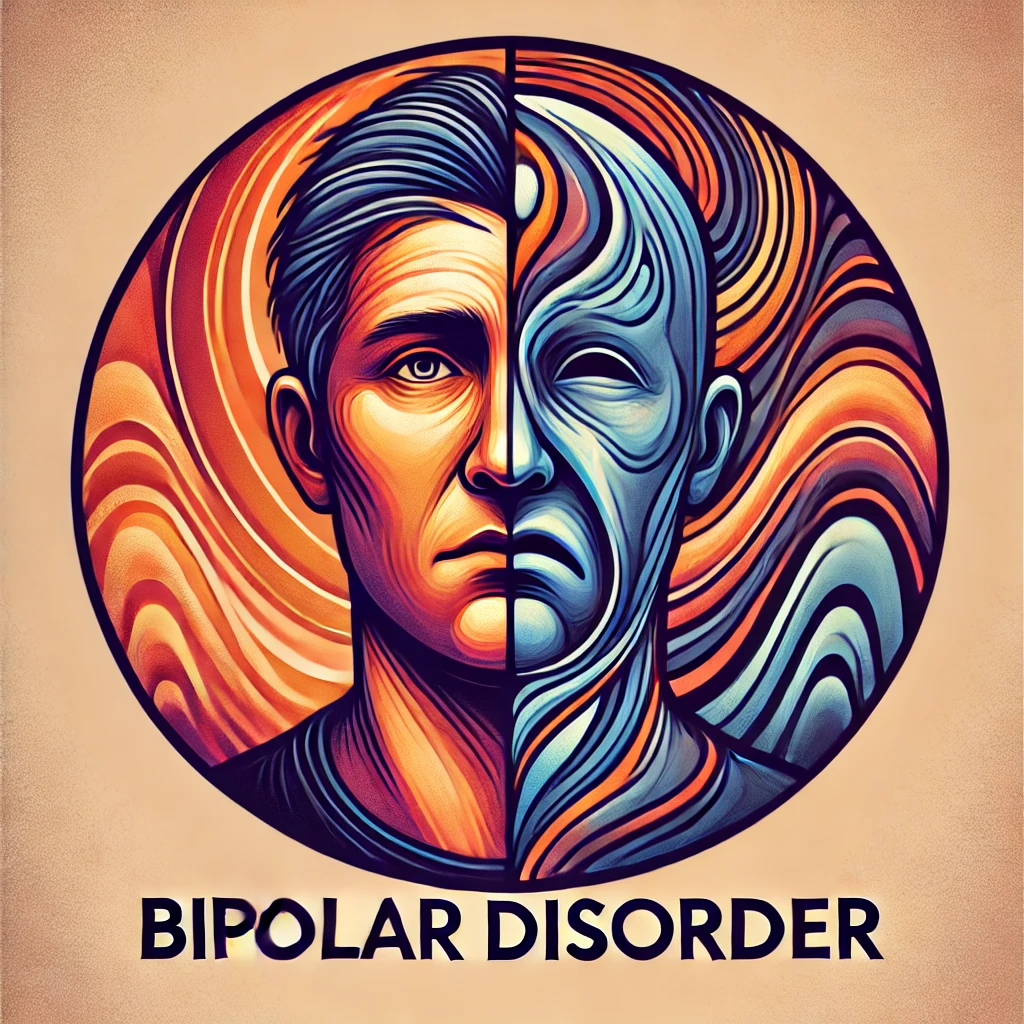
Hypnosis for Bipolar Disorder: A Path Toward Emotional Balance
Hypnosis for bipolar disorder may not be the first treatment option that comes to mind when you’re navigating the tumult of extreme mood swings. Yet, for many individuals, bipolar disorder can feel like an unrelenting storm—one moment you’re on top of the world, bursting with creative energy or euphoria, and the next, life is weighed down by a heavy blanket of sadness and apathy. Conventional medical treatments can be a lifeline, but they often don’t address the deeper emotional patterns and ingrained thought processes that fuel these dramatic shifts. Could hypnosis, with its ability to reshape subconscious beliefs, offer a fresh avenue of relief? In this post, we’ll delve into what bipolar disorder is from a medical perspective, explore how hypnosis might help stabilize your emotional highs and lows, and offer practical tips for integrating this approach into your broader treatment plan.
If you’d like a structured program to guide you, you can explore this Managing Bipolar Disorder Hypnosis Audio.
Table of Contents
- Bipolar Disorder: A Medical Overview
- Common Causes and Risk Factors
- Why Consider Hypnosis for Bipolar Disorder?
- How Hypnosis May Help Stabilize Mood Cycles
- Practical Steps to Integrate Hypnosis into Your Treatment Plan
- Addressing Myths About Hypnosis and Bipolar Disorder
- Moving Forward: Combining Medical Care with Self-Empowerment
- Conclusion: Moving Toward Consistent Emotional Well-Being
1. Bipolar Disorder: A Medical Overview
Defining Bipolar Disorder
Bipolar disorder is a psychiatric condition characterized by alternating episodes of mania (or hypomania) and depression. These mood swings can range from mild to severe, dramatically affecting energy levels, thought patterns, and behaviors. Manic phases might include symptoms like elevated mood, increased activity, racing thoughts, and impulsive decisions, while depressive phases often involve persistent sadness, fatigue, feelings of worthlessness, and a loss of interest in previously enjoyed activities.
Types of Bipolar Disorder
- Bipolar I: Defined by at least one full manic episode, which may precede or follow major depressive episodes.
- Bipolar II: Marked by hypomanic (less intense than full mania) and depressive episodes.
- Cyclothymic Disorder: A milder yet chronic form of bipolar, with frequent mood fluctuations that never fully meet mania or major depression criteria but can still disrupt daily life.
Medical Treatments and Their Limitations
Doctors often prescribe mood stabilizers, antipsychotics, or antidepressants to manage bipolar disorder. Psychotherapy, such as cognitive-behavioral therapy (CBT), can also provide coping mechanisms for emotional regulation. However, these strategies sometimes don’t fully address the internal narrative fueling cyclical mood shifts, leaving room for relapse or emotional discomfort. This gap leads many to explore alternative or complementary solutions like hypnosis, which might probe the subconscious patterns that exacerbate high and low phases.
2. Common Causes and Risk Factors –
Genetic Influence
Genetics play a considerable role in bipolar disorder. If a close family member—such as a parent or sibling—has the condition, your likelihood of developing bipolar is higher compared to the general population. Nevertheless, genes aren’t the sole determinant; environmental factors also come into play.
Neurochemical Imbalances
Bipolar disorder has also been linked to neurochemical irregularities in the brain, particularly involving neurotransmitters such as dopamine, serotonin, and norepinephrine. Imbalances can disrupt emotional stability, intensifying mania or depression.
Stressful Life Events
While a person may carry the genetic predisposition, stressful life events—like the loss of a loved one, job transitions, or even positive stressors such as moving or marriage—can trigger onset or intensify existing symptoms. Managing stress is thus a critical part of controlling bipolar cycles, and one area where hypnosis may support emotional equilibrium.
3. Why Consider Hypnosis for Bipolar Disorder?
Addressing Deep-Seated Emotional Patterns
Medication often concentrates on neurochemical stabilization, but mood episodes can also be tied to unresolved feelings or habitual thought loops. Hypnosis for bipolar disorder aims to rewrite those deep narratives—particularly limiting beliefs and emotional triggers—and reintroduce a sense of calm during turbulent moods.
Complementary, Not a Replacement
It’s essential to note that hypnotherapy is typically not proposed as a stand-alone treatment for bipolar disorder. Instead, it can complement psychiatric care or psychotherapy, aiming to reinforce positive coping strategies and enhance emotional resilience.
Enhancing Self-Awareness
Hypnosis involves a trance-like state of focused relaxation, often revealing subconscious motivations, anxieties, or triggers that fuel mania or depression. Unraveling these layers can empower you to catch early warning signs—like restlessness or racing thoughts—before they catapult you into a full-blown episode. This heightened self-awareness can become a cornerstone of effective bipolar management.
4. How Hypnosis May Help Stabilize Mood Cycles – Hypnosis for Bipolar Disorder
Reframing Negative Self-Talk
During a hypnotic session, a therapist or a specialized audio program may introduce statements designed to override your brain’s default negativity during low phases. Instead of ruminating on defeat or hopelessness, you internalize supportive messages such as “I am capable of handling life’s challenges” or “I find balance in changing moods.” Over time, these repeated affirmations can act like an emotional safety net, catching you before you spiral too far downward.
Calming Overactive Thought Patterns
In mania, thoughts can race, making it tough to assess consequences rationally. Hypnosis fosters a slower, more measured mental space. By training your subconscious to detect and soothe restlessness early, you can scale back impulsive urges—be it overspending, risky decisions, or the inability to sleep due to an overactive mind.
Reinforcing Healthy Habits
Sustaining balance in bipolar disorder often requires consistent routines—sleep patterns, physical exercise, nutrition, and medication schedules. Under hypnosis, suggestions can embed a sense of reward and ease around these daily tasks, making compliance less burdensome. So instead of feeling forced to take medication or follow a strict bedtime, your mind more eagerly accepts these routines as integral to well-being.
5. Practical Steps to Integrate Hypnosis into Your Treatment Plan – Hypnosis for Bipolar Disorder
1. Consult Your Mental Health Professionals
Before diving into hypnosis, talk to your psychiatrist, therapist, or counselor. Let them know you want to explore hypnosis for bipolar disorder. Their insights can guide you toward reputable practitioners and ensure that any new approach aligns with your existing treatment framework.
2. Find a Qualified Hypnotherapist or Audio Program
Hypnosis is effective only when guided by solid expertise or well-structured audio resources. Seek out a hypnotherapist certified in dealing with mood disorders, or explore specialized recordings that focus on emotional regulation for bipolar symptoms. Keep an eye on user reviews or professional endorsements.
If you’re considering a reliable program, you might find this Managing Bipolar Disorder Hypnosis Audio beneficial.
3. Practice Consistency
Hypnosis, much like exercise, requires a regular schedule for lasting impact. Commit to daily or weekly sessions—whatever suits your timetable—and track changes in mood stability, energy levels, or triggers. Over time, you’ll likely notice subtle improvements that grow into more robust emotional control.
4. Combine with Lifestyle Adjustments
Hypnosis works best when it’s part of a broader strategy. Keep up with your medication regimen, therapy sessions, and any recommended lifestyle shifts, like limiting caffeine, establishing bedtime routines, or scheduling mindful pauses in your day. All these elements synergize to keep mania at bay and lift you out of depressive dips.
6. Addressing Myths About Hypnosis and Bipolar Disorder
Myth: “Hypnosis Replaces Medication”
Hypnosis is not a substitute for mood stabilizers or other prescribed treatments. Instead, it’s an additional layer of support, enhancing your emotional resilience and introspection. If your doctor recommends medication for mania or depression, follow their guidance, but know that hypnosis can help augment the benefits you gain.
Myth: “You Lose Control Under Hypnosis”
Contrary to pop-culture portrayals, you remain conscious and aware during a hypnosis session. You’re free to accept or reject any suggestion that doesn’t align with your values or comfort level. The aim is to harmonize your subconscious with your wellness goals, not to manipulate or override your moral compass.
Myth: “It’s a Quick Fix”
While some individuals notice a mood shift after just a few sessions, others may need ongoing practice. Bipolar disorder typically demands long-term management. Hypnosis aids in making that management smoother, but it’s no magic bullet that eliminates episodes overnight. As with any therapy, patience and consistency yield the best results.
7. Moving Forward: Combining Medical Care with Self-Empowerment – Hypnosis for Bipolar Disorder
Leaning on Support Systems
Recovery from bipolar disorder flourishes in a supportive environment—friends, family, or support groups that understand your condition and encourage your progress. If you decide to incorporate hypnosis, share your goals with these trusted individuals. They can provide accountability and celebrate small victories along the way.
Tracking Emotional Shifts
Many people with bipolar keep mood journals to chart fluctuations in mania, depression, or stable periods. If you begin hypnosis sessions, note any changes or improvements in your logs—like fewer racing thoughts or reduced feelings of hopelessness. This documentation not only validates your progress but also signals when adjustments to therapy or medication might be needed.
Aim for Sustainable Balance
A successful approach to bipolar involves more than just averting crises; it’s about cultivating a fulfilling life. By tackling the root emotional triggers with hypnosis, you enable yourself to handle everyday stress more effectively, possibly reducing severe mood swings. Over time, you may find that stable periods grow longer and more fulfilling, giving you the freedom to pursue hobbies, relationships, or career goals without constant emotional turbulence.
8. Conclusion: Moving Toward Consistent Emotional Well-Being
Hypnosis for bipolar disorder isn’t a stand-alone remedy that instantly smooths out every high and low. But as part of a comprehensive strategy—blending medication, therapy, and lifestyle changes—it can be a powerful tool to help regulate mood cycles and emotional triggers at a deeper, subconscious level. By refining your internal dialogue, adopting healthier daily patterns, and building resilience to stress, hypnosis can guide you toward a more stable, fulfilling life, even in the face of bipolar’s inherent challenges.
If you want a carefully crafted approach to using hypnosis in your bipolar management, you might explore this Managing Bipolar Disorder Hypnosis Audio. With consistent practice and professional support, you might discover new avenues for emotional balance and self-understanding.
Ultimately, navigating bipolar disorder requires patience, education, and a willingness to adapt. Hypnosis opens doors to self-awareness and mindful habit-building, complementing medical interventions to form a fuller, more effective plan. Should you choose to include hypnosis in your journey, embrace it as part of a holistic, personalized method of coping—a method that acknowledges the complexities of bipolar disorder while providing a gentle yet powerful means of self-empowerment.
For more insights into how hypnosis can address emotional challenges, explore our guide on Can Hypnosis Help with Depression. Knowledge is a cornerstone of effective mental health management, and each step you take can illuminate a path to greater stability and well-being.