Does Hypnosis Work
Does Hypnosis Work? The Science-Backed Truth About Hypnosis Effectiveness
Have you ever wondered, “does hypnosis work?” You’re not alone. This question echoes through the minds of countless people considering hypnosis as a path to personal transformation. Whether you’re battling anxiety, struggling with unwanted habits, or seeking better sleep, the burning question remains: is hypnosis truly effective, or is it just smoke and mirrors?
Let’s dive deep into the fascinating world of hypnosis research and discover what science really says about this powerful therapeutic tool.
Understanding the Question: Does Hypnosis Work?
Before we explore whether hypnosis works, let’s be clear about what we’re actually asking. When people wonder “does hypnosis work,” they’re typically asking several related questions:
- Can hypnosis create real, measurable changes in behavior and health?
- Is hypnosis supported by scientific research?
- Will hypnosis work for my specific concern?
- How effective is hypnosis compared to other treatments?
The short answer? Yes, hypnosis does work—and we have decades of research to prove it. But like any therapeutic approach, understanding how and why it works makes all the difference in your success.
The Scientific Evidence: Does Hypnosis Really Work?
What the Research Shows
Recent comprehensive reviews have analyzed hundreds of studies to answer definitively: does hypnosis work? A groundbreaking 2024 meta-analysis examined 49 separate studies involving thousands of participants. The results were impressive.
The research revealed that hypnosis showed medium to large positive effects in approximately 54% of cases studied. Even more encouraging, the analysis found zero reports of serious adverse effects in registered clinical trials. This means hypnosis is not only effective—it’s remarkably safe.
Does Hypnosis Work for Pain Management?
One area where hypnosis shows exceptional effectiveness is pain relief. Studies consistently demonstrate that hypnosis works remarkably well for:
- Chronic pain conditions
- Post-surgical discomfort
- Medical procedure pain
- Childbirth pain management
- Cancer-related pain
Research indicates that patients using hypnosis for pain often report less discomfort, reduced medication needs, and faster recovery times. Effect sizes in pain studies ranged from small to very large, with many showing substantial clinical significance.
Does Hypnosis Work for Anxiety and Stress?
If you’re wondering “does hypnosis work for anxiety,” the evidence is encouraging. Meta-analyses examining hypnosis for anxiety treatment found positive results across multiple studies. Hypnosis helps reduce anxiety by:
- Calming the nervous system
- Reframing negative thought patterns
- Building resilience to stress triggers
- Creating deep relaxation responses
Many people report feeling calmer and more centered after just one hypnosis session. Over time, regular hypnosis practice can fundamentally change how your mind responds to stressors.
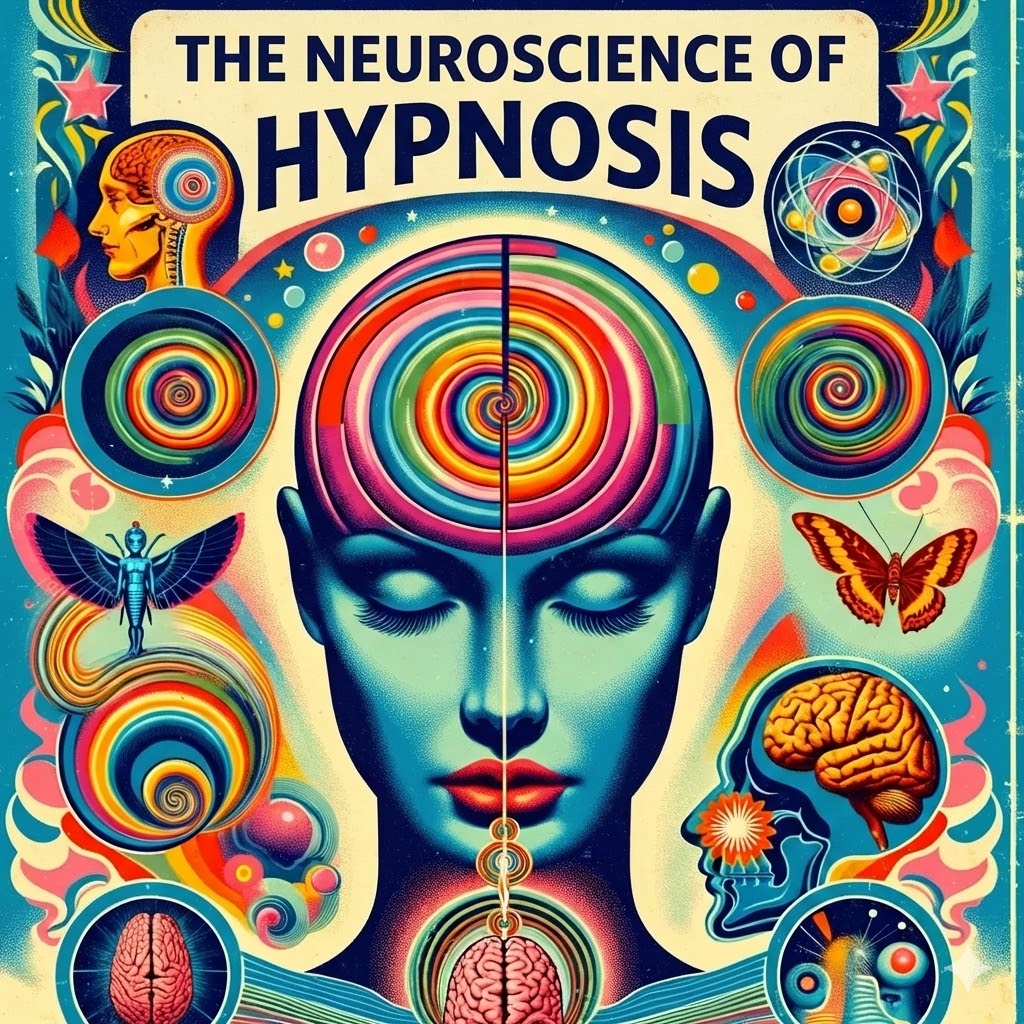
How Does Hypnosis Work in the Brain?
Understanding the neuroscience helps answer “does hypnosis work” from a biological perspective. Brain imaging studies reveal fascinating changes during hypnotic states:
Brain Wave Patterns
During hypnosis, the brain enters a unique state characterized by:
- Increased theta wave activity (associated with deep relaxation)
- Heightened focus and concentration
- Enhanced receptivity to suggestions
- Reduced activity in the brain’s “default mode network”
These changes explain why hypnosis works so effectively for habit change and emotional regulation. Your brain literally becomes more plastic and open to positive transformation.
The Subconscious Connection
Hypnosis works by accessing the subconscious mind—the part of your psyche that runs automatic programs and holds deeply ingrained patterns. During hypnosis:
- The conscious mind’s critical filters relax
- Positive suggestions bypass resistance
- New neural pathways form more easily
- Healing and transformation occur at deeper levels
This direct access to the subconscious is what makes hypnosis work where other methods might struggle.
Does Hypnosis Work for Everyone?
This is a crucial question. Research shows that approximately 95% of people can be hypnotized to some degree. However, responsiveness varies on a spectrum:
High Hypnotizability
About 15-20% of people are highly hypnotizable. These individuals:
- Enter deep trance states easily
- Respond strongly to suggestions
- Often see rapid results
Medium Hypnotizability
The majority (60-70%) fall into this category. They:
- Experience moderate trance depth
- Benefit significantly from hypnosis
- May need more repetition for deep changes
Low Hypnotizability
About 10-15% have lower hypnotic responsiveness. Even for this group, hypnosis can still work—it may just require:
- More practice and repetition
- Different techniques or approaches
- Combination with other therapies
The key point? Don’t assume hypnosis won’t work for you. Most people who believe they “can’t be hypnotized” simply haven’t found the right approach yet.
Does Hypnosis Work for Specific Conditions?
Let’s examine the evidence for common concerns:
Does Hypnosis Work for Weight Loss?
Studies show hypnosis works effectively when combined with behavioral strategies. Research indicates:
- People using hypnosis lost more weight than 90% of those not using it
- Weight loss was maintained two years after treatment
- Hypnosis enhanced cognitive-behavioral approaches significantly
Does Hypnosis Work for Smoking Cessation?
Meta-analyses on smoking cessation reveal mixed but encouraging results. Hypnosis was:
- More effective than no treatment
- Comparable to other cessation methods
- Most effective when combined with counseling
The success rate improves dramatically with quality hypnosis recordings and professional support.
Does Hypnosis Work for Sleep Problems?
Research on insomnia and sleep disturbances shows that hypnosis works well for:
- Falling asleep faster
- Staying asleep longer
- Improving sleep quality
- Reducing sleep anxiety
- Read about sleep and insomnia
About 58% of sleep studies reported beneficial effects from hypnosis interventions.
Does Hypnosis Work for IBS and Digestive Issues?
Gut-directed hypnosis has shown remarkable results for irritable bowel syndrome:
- Significant symptom reduction
- Benefits lasting months after treatment
- Improvement rates of 70-80% in some studies
- Reduced medication dependence
Does Hypnosis Work Through Audio Recordings?
A question we often hear is whether self-hypnosis through audio programs is as effective as working with a therapist. The answer is nuanced but encouraging.
The Effectiveness of Hypnosis Audio
Recorded hypnosis sessions can be highly effective because:
- You can listen repeatedly, reinforcing suggestions
- Audio allows convenient daily practice
- Quality recordings by skilled hypnotherapists deliver professional guidance
- Consistency improves results dramatically
Research shows that regular use of hypnosis audio downloads produces significant positive changes. The key is finding high-quality, professionally created programs that match your specific goals.
Maximizing Audio Hypnosis Effectiveness
To ensure hypnosis audio works optimally:
- Listen in a quiet, comfortable environment
- Use headphones for better immersion
- Practice consistently (daily if possible)
- Give yourself time to see results (typically 3-4 weeks)
- Choose programs from experienced hypnotherapists
Quality hypnosis downloads combine professional expertise with the convenience of self-paced practice.
Why Does Hypnosis Work When Other Methods Don’t?
Many people turn to hypnosis after other approaches have failed. So why does hypnosis work where other methods struggle?
Direct Subconscious Access
Traditional therapies often work through the conscious mind, which can be resistant to change. Hypnosis bypasses this resistance, allowing direct communication with the subconscious—where real change happens.
Holistic Approach
Hypnosis works on multiple levels simultaneously:
- Mental (thoughts and beliefs)
- Emotional (feelings and responses)
- Physical (body sensations and reactions)
- Behavioral (actions and habits)
This comprehensive approach creates faster, more lasting transformation.
Natural State Enhancement
Hypnosis works with, not against, your natural mental processes. We all enter hypnotic-like states daily:
- When absorbed in a good book
- While driving on autopilot
- During daydreaming
- In deep meditation
Professional hypnosis simply harnesses and directs these natural capacities for healing and growth.
Making Hypnosis Work for You: Practical Tips
Ready to experience how well hypnosis works? Here’s how to maximize your success:
Set Clear Intentions
Hypnosis works best when you have specific goals. Instead of vague wishes, define exactly what you want to achieve:
- “I want to sleep 7-8 hours nightly without waking”
- “I want to feel calm and confident in social situations”
- “I want to maintain my ideal weight naturally”
Create the Right Environment
For hypnosis to work effectively, minimize distractions:
- Find a quiet, comfortable space
- Turn off phones and notifications
- Use comfortable seating or lying position
- Adjust lighting to promote relaxation
Commit to Consistency
Like any skill, hypnosis works better with regular practice. Most people see significant results after:
- Daily listening for 21-30 days
- Multiple sessions addressing the same goal
- Consistent use even after initial improvements
Choose Quality Resources
Not all hypnosis programs are created equal. Does hypnosis work with cheap, poorly made recordings? Sometimes, but quality matters. Look for:
- Programs by certified hypnotherapists
- Clear, professional audio production
- Positive user reviews and testimonials
- Specific targeting of your concern
Professional hypnosis downloads offer the expertise and quality that make real transformation possible.
Common Myths: Does Hypnosis Really Work or Is It Fake?
Let’s bust some persistent myths about whether hypnosis works:
Myth 1: “Hypnosis Is Mind Control”
Reality: You’re always in control during hypnosis. You can’t be made to do anything against your values or wishes. Hypnosis works through cooperation, not coercion.
Myth 2: “Only Weak-Minded People Can Be Hypnotized”
Reality: Hypnotizability has nothing to do with intelligence or willpower. In fact, highly hypnotizable individuals often have strong focus and imagination—signs of mental strength.
Myth 3: “Hypnosis Works Instantly Like Magic”
Reality: While some people experience immediate shifts, most see gradual improvement over consistent use. Hypnosis works best as a process, not a quick fix.
Myth 4: “You Can Get Stuck in Hypnosis”
Reality: This has never happened. Hypnosis works with natural brain states. Even if a session is interrupted, you’ll naturally return to normal awareness.
Does Hypnosis Work Long-Term?
One crucial question is whether hypnosis produces lasting change or just temporary relief. Research shows encouraging long-term outcomes:
Sustained Benefits
Studies tracking participants months or years after hypnosis treatment found:
- Weight loss maintenance at 2-year follow-up
- Continued IBS symptom relief 6 months post-treatment
- Lasting anxiety reduction
- Maintained smoking cessation
The Compound Effect
Interestingly, some research suggests hypnosis benefits increase over time. The neural pathways and habits formed during hypnosis strengthen with continued practice, making positive changes more automatic and effortless.
Real People, Real Results: Does Hypnosis Work in Practice?
Beyond statistics, does hypnosis work for real people facing real challenges? Testimonials and case studies provide compelling evidence:
- A 45-year-old woman overcame 20 years of insomnia
- A chronic pain patient reduced medication by 80%
- An entrepreneur conquered public speaking anxiety
- A lifelong nail-biter broke the habit in weeks
These aren’t fairy tales—they’re the natural outcomes when hypnosis works as designed.
Combining Hypnosis With Other Approaches
Does hypnosis work better alone or combined with other treatments? Research suggests combination approaches often produce superior results.
Hypnosis + Cognitive Behavioral Therapy (CBT)
Multiple studies show hypnosis enhances CBT effectiveness for:
- Weight loss (90% better results)
- Anxiety management
- Depression treatment
- Habit change
Hypnosis + Medical Treatment
For medical procedures and recovery, hypnosis works synergistically with conventional care:
- Reduced anesthesia requirements
- Faster healing times
- Less post-operative pain
- Improved patient outcomes
Hypnosis + Self-Care Practices
Does hypnosis work alongside meditation, exercise, or nutrition changes? Absolutely. These complementary practices support and amplify each other.
Getting Started: Making Hypnosis Work for You
If you’re convinced that hypnosis works and ready to experience it yourself, here’s your action plan:
Step 1: Define Your Goal
Be specific about what you want to achieve. Does hypnosis work for your particular concern? Research suggests it likely does.
Step 2: Choose Your Approach
Decide between:
- Professional hypnotherapist sessions
- Quality audio hypnosis programs
- Combination of both approaches
For convenience and affordability, audio programs offer an excellent starting point.
Step 3: Commit to the Process
Remember, hypnosis works best with:
- Regular, consistent practice
- Patience with the process
- Open-minded curiosity
- Willingness to experience change
Step 4: Track Your Progress
Notice and celebrate improvements:
- Journal your experiences
- Note behavioral changes
- Monitor symptom reduction
- Acknowledge emotional shifts
The Bottom Line: Does Hypnosis Work?
After reviewing decades of research, examining brain science, and considering countless success stories, the answer is clear: Yes, hypnosis works.
The evidence demonstrates that hypnosis:
- Produces measurable changes in behavior and health
- Shows effectiveness across numerous conditions
- Offers a safe, low-risk therapeutic option
- Works for the vast majority of people willing to try
- Creates both short-term relief and long-term transformation
Whether you’re struggling with anxiety, seeking pain relief, wanting to break unwanted habits, or pursuing personal growth, hypnosis offers a scientifically validated path forward.
Your Next Step
Don’t let another day pass wondering “does hypnosis work” when you could be experiencing the transformation yourself. Explore professionally created hypnosis audio downloads and discover which program aligns with your goals.
Remember: hypnosis works—but only if you take that first step. Your journey to positive change begins with a single decision. Why not make it today?
The science is clear, the methods are proven, and the results speak for themselves. Hypnosis doesn’t just work—it works remarkably well for those willing to embrace its potential. Your subconscious mind is ready for transformation. Are you?
Looking to experience the effectiveness of hypnosis for yourself? Visit our recommended hypnosis audio library to find professional programs for anxiety, sleep, confidence, habits, and more. Start your transformation today.